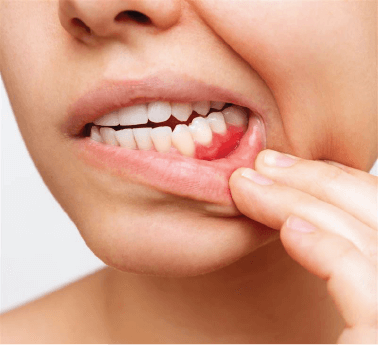
It’s Oral Cancer Awareness Month!
April is oral cancer awareness month. In 2022, approximately 54,000 patients were diagnosed with oral cancer. Any cancer that develops in the oral cavity, which consists of the tongue, lips, gums, inner lining of the cheeks, and roof of the mouth, is considered oral cancer. We look for signs of oral cancer and pre-cancer at every routine dental exam.
Common Signs of Oral Cancer:
- One or more mouth sores that don’t heal
- Bumps or lumps in the oral cavity
- Chronic tooth or jaw pain
- White or red patches on the tongue or soft tissue
- Pain when swallowing or chewing
- Jaw stiffness
Please note that the symptoms listed above are not always a sign of oral cancer and could indicate a different condition. If you experience any of the symptoms listed above for over two weeks, schedule an exam with your dental or medical provider.
Oral Cancer Screenings
Although the American Cancer Society states that there is currently no routine screening process for oral cancer, attending annual exams allows dentists to identify abnormalities as soon as they appear. Dentists identify signs of cancer with a visual exam or a fluorescent light test. The purpose of a cancer screening is to detect signs of cancer before the patient has noticeable physical symptoms since oral cancer treatments are often the most effective at early stages.
Tobacco users should pay extra attention to oral cancer symptoms and prioritize attending annual dental exams. Smokers are at a significantly higher risk of developing this disease. The risk of oral cancer is 5 to 10 times greater for smokers than non-smokers. Chewing tobacco also puts individuals at a higher risk. Smokeless tobacco contains more than 28 cancer-causing chemicals.
Risk Factors for Oral Cancer
- Tobacco use
- Alcohol use
- HPV
- Being male
- Age 55+
- Poor nutrition
- Genetic conditions
It is wise to regularly check your oral cavity for signs of cancer, especially if you have risk factors. Examine your mouth, tongue, gums, teeth, and throat in the mirror monthly. If you notice any changes that persist for over two weeks, contact your doctor or dentist for a professional exam. Treatments for oral cancer are constantly improving. Surgery, radiation therapy, chemotherapy, target therapy, and immunotherapy are just some treatment options for oral cancer.
Prevention
Mouth cancer has no proven method of prevention. However, people can lessen their risk for the disease. Not using tobacco products, limiting alcohol consumption, using sun protection on the lips, and visiting your dentist regularly are simple ways to lower your risk of oral cancer.